Zhangjiajie Travel Guide
1. Basic Introduction to Zhangjiajie
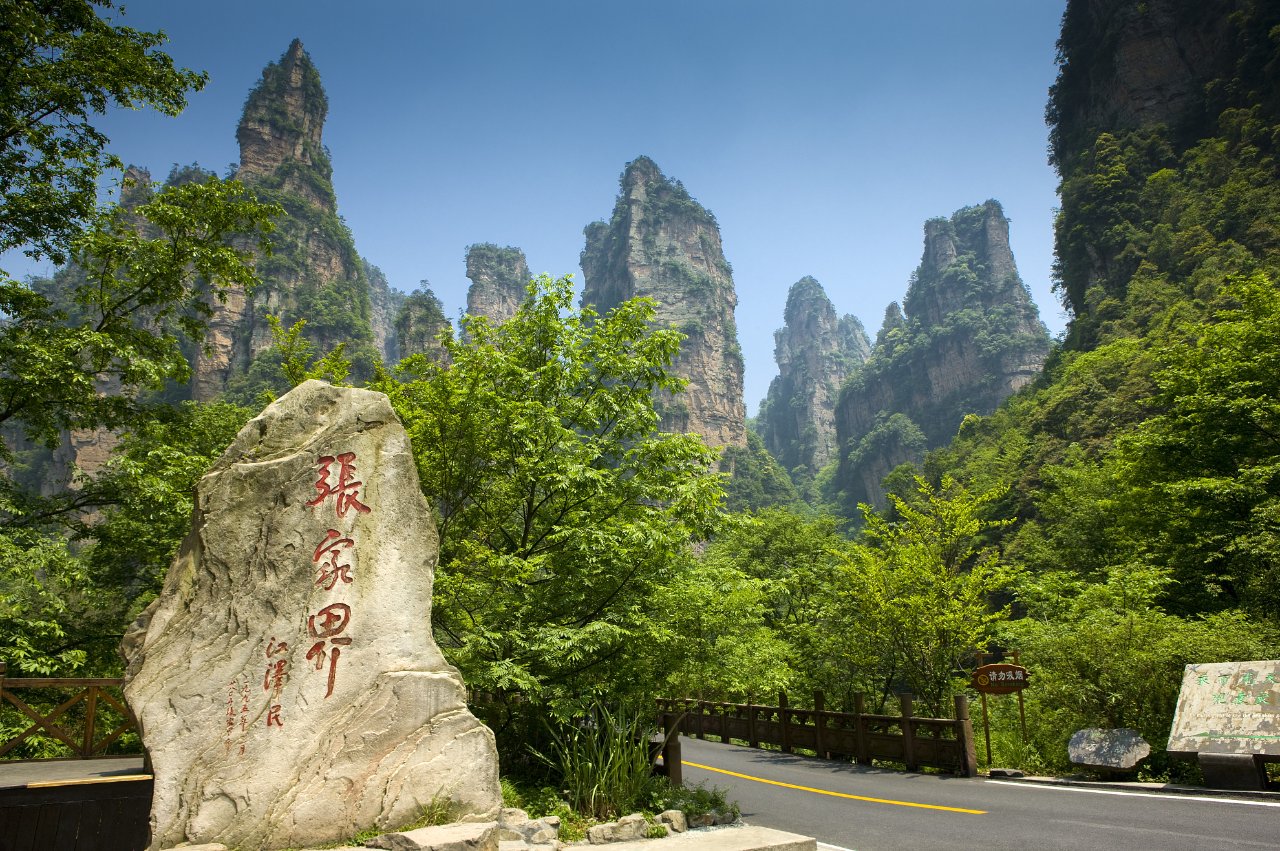
Zhangjiajie is situated in the northwest of Hunan Province, covering a series of world-class scenic areas including Zhangjiajie National Forest Park, Tianmen Mountain, Zhangjiajie Grand Canyon and Huanglong Cave. Listed as a UNESCO World Natural Heritage Site and a Global Geopark, it is famous for the rare "peak forest landform". Thousands of jagged stone pillars rise abruptly from the valley floor, paired with lingering mist, lush virgin forests and gurgling mountain streams, creating a surreal and ethereal landscape that earns it the reputation of "Fairyland on Earth" and "China’s No.1 Fantastic Mountain".
2. Core Must-Visit Scenic Spots
2.1 Zhangjiajie National Forest Park (Wulingyuan Scenic Area)
As the first national forest park in China and the core scenic area of Zhangjiajie, this park gathers the essence of Zhangjiajie’s peak forest scenery. The most iconic spot is Yuanjiajie Scenic Area, where the famous Hallelujah Mountain (Qiankun Pillar) is located. Inspired by this stunning stone pillar, the floating Hallelujah Mountains in *Avatar* were designed, making it a globally renowned landmark.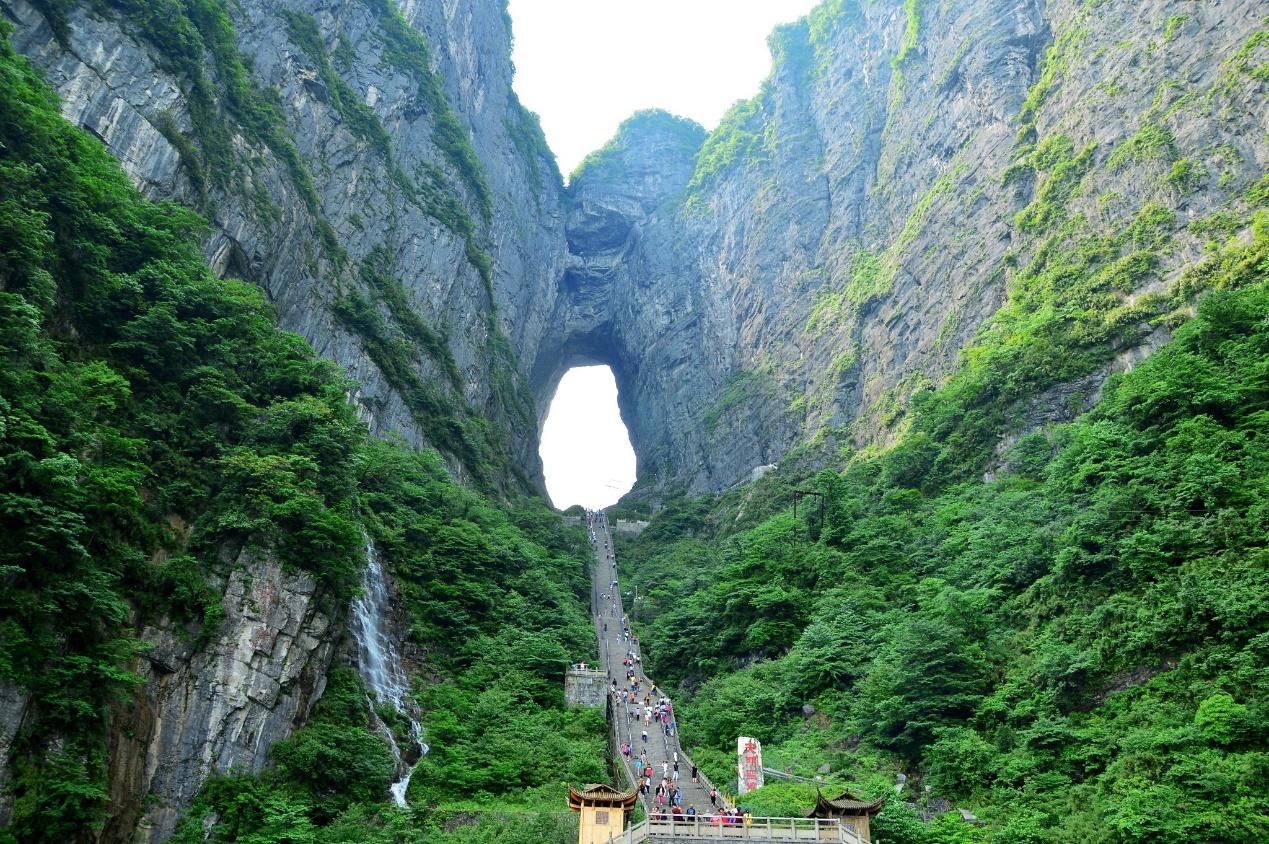
2.2 Tianmen Mountain National Forest Park
Known as "Heaven’s Gate Mountain", Tianmen Mountain is famous for its grand and mysterious celestial landscape. The core attraction is Tianmen Cave, a huge natural karst cave penetrating through the mountain, which is the highest natural mountain cave in the world. In addition, the Glass Skywalk built on the cliff is a must-experience for adventure lovers. Walking on the transparent glass plank road overlooking the deep valley brings a thrilling and shocking experience.
The Tianmen Mountain Cableway is also a major feature. It is one of the longest mountain cableways in Asia, taking tourists from the urban area directly to the top of the mountain, with changing scenery along the way, from urban buildings to steep mountain peaks, offering a stunning visual feast.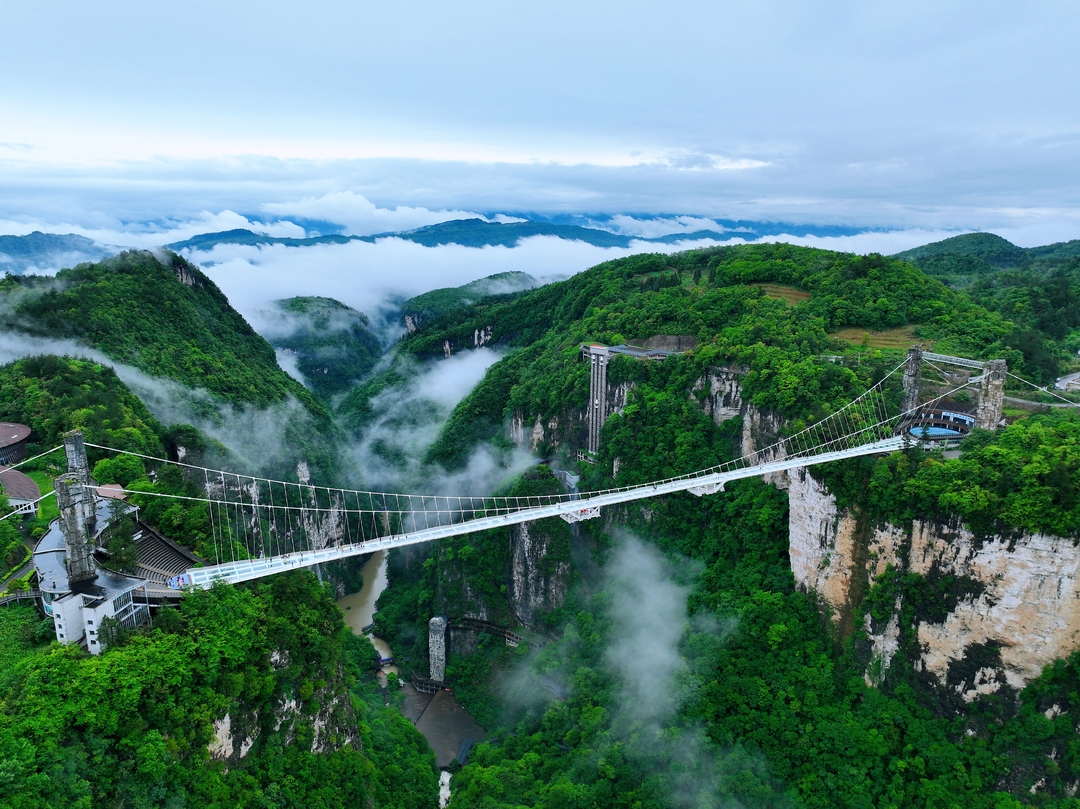
2.3 Zhangjiajie Grand Canyon & Glass Bridge
Zhangjiajie Grand Canyon features clear mountain springs, cascading waterfalls and primitive valley landscapes. The most famous facility here is the Grand Canyon Glass Bridge, also known as "Yuntianduli Bridge". It is the world’s highest and longest transparent glass bridge, standing between two steep mountains. Tourists can walk above the clouds and overlook the deep canyon, enjoying the ultimate thrilling experience.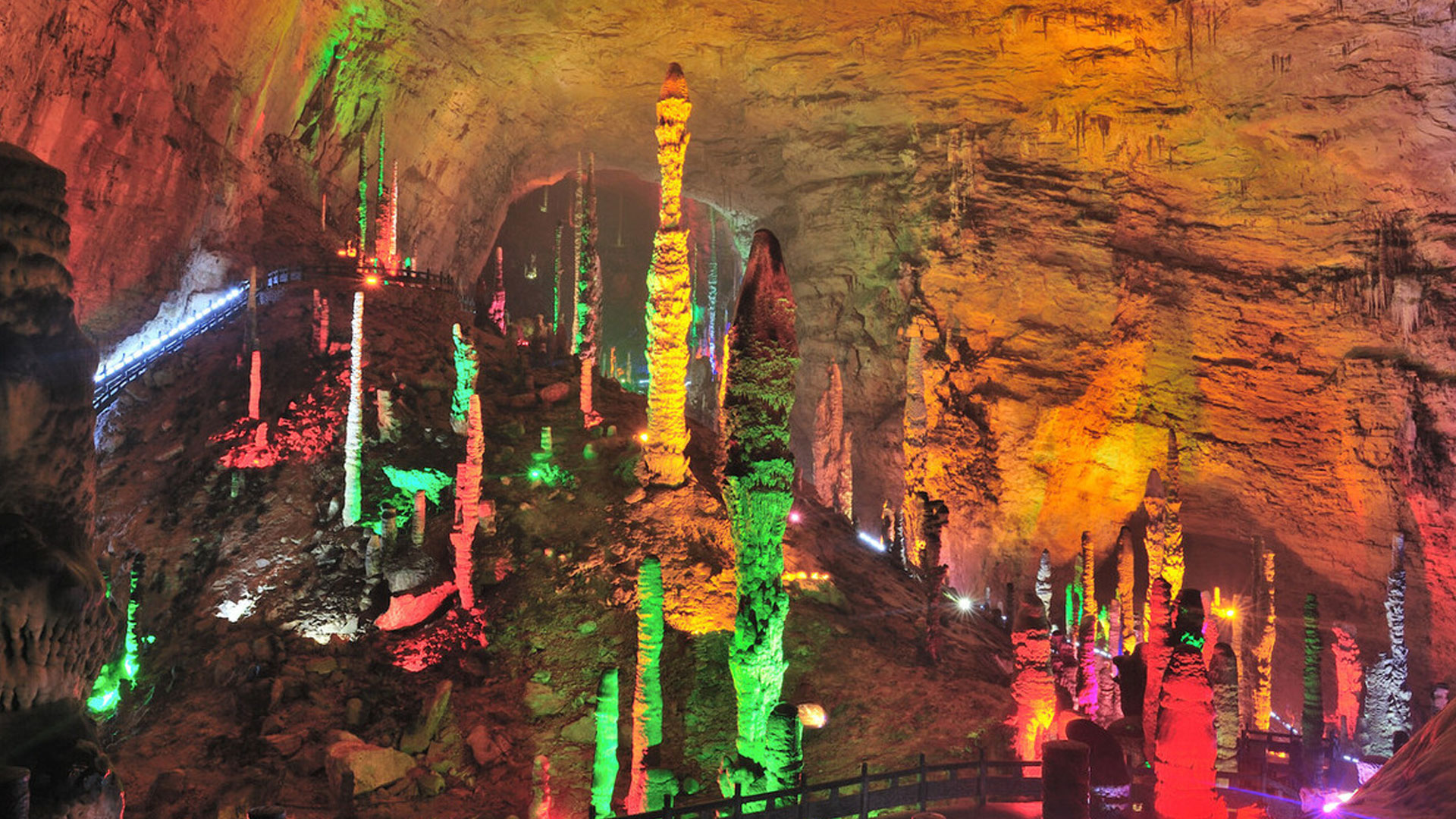
2.4 Huanglong Cave
Huanglong Cave is a large-scale comprehensive karst cave scenic area, known as "the best cave in China". The cave is magnificent in scale, with countless strange stalactites and stalagmites in various shapes. The underground river flows gently in the cave, and tourists can take a boat to visit the cave landscape, feeling the magical craftsmanship of nature.
3. Best Travel Time
- Spring (March-May): The mountains are covered with new green, flowers bloom everywhere, and the mountain mist lingers frequently, creating a fairy and hazy landscape, ideal for shooting misty mountain scenery.
- Summer (June-August): Cool and pleasant, a natural summer resort. The forest is lush and dense, avoiding the heat of the city, suitable for hiking and summer vacation.
- Autumn (September-November): The sky is clear, the visibility is extremely high, the mountain forests are dyed in golden and red colors, and the sea of clouds is spectacular, which is the best season for photography.
- Winter (December-February): Snow covers the peaks, forming a rare ice and snow peak forest landscape. The silver-wrapped mountains are quiet and gorgeous, suitable for viewing snow scenery.